
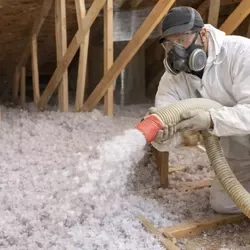

If your home struggles with inconsistent temperatures, rising energy bills, or poor air quality, your insulation could be the root of the problem. Many homeowners overlook insulation until issues become noticeable but investing in professional insulation services is one of the most effective ways to improve your home’s comfort, efficiency, and long-term value.
Insulation plays a crucial role in maintaining indoor temperatures by reducing heat transfer. Whether it’s keeping cool air inside during summer or preventing heat loss in winter, properly installed insulation supports your HVAC system and enhances overall home performance.
In this guide, we’ll break down everything you need to know about insulation services, including types, benefits, materials, costs, and how to determine if your home needs an upgrade.
Why Insulation Services Are Essential for Your Home
Insulation acts as a thermal barrier that helps regulate your indoor environment. Without proper insulation, your HVAC system has to work harder to maintain comfortable temperatures leading to higher energy consumption and increased wear on your equipment.
Key Benefits of Insulation Services
1. Lower Energy Bills
One of the biggest advantages of energy efficient insulation is reduced energy usage. By preventing heat loss and gain, your HVAC system operates more efficiently, lowering monthly utility costs.
2. Consistent Indoor Comfort
Hot and cold spots are often caused by insufficient insulation. With professional home insulation services, you can maintain even temperatures throughout your home.
3. Improved Indoor Air Quality
Insulation helps reduce the entry of outdoor pollutants, allergens, and moisture. When combined with services that improve indoor air quality, it creates a healthier living environment.
4. Reduced HVAC Strain
Proper insulation supports your HVAC system by minimizing workload. Pairing insulation upgrades with HVAC maintenance services can significantly extend system lifespan.
5. Environmental Impact
By lowering energy consumption, insulation reduces your carbon footprint. Resources like the insulation energy efficiency guide highlight how insulation contributes to sustainable living.
Types of Insulation Services

Professional insulation contractors provide targeted solutions based on your home’s structure and needs.
Attic Insulation Services
The attic is one of the primary sources of energy loss. Heat rises, so poor attic insulation allows conditioned air to escape. Attic insulation services improve energy retention and reduce cooling and heating costs.
Wall Insulation Services
Walls account for a large portion of your home’s surface area. Proper wall insulation services enhance temperature control and reduce noise transmission.
Duct Insulation Services
Your HVAC ducts distribute air throughout your home. Without proper insulation, energy is lost during distribution. Duct insulation services help maintain airflow efficiency. If your system is outdated, consider air duct installation.
Crawl Space Insulation
Uninsulated crawl spaces can introduce moisture, mold, and cold air into your home. Crawl space insulation protects your home’s structure and improves indoor comfort.
HVAC Insulation Services
Specialized HVAC insulation services ensure your system operates efficiently by minimizing heat transfer within ducts and components.
Signs You Need Insulation Services

Many homeowners don’t realize they need insulation upgrades until energy costs spike or comfort declines.
Common Warning Signs:
Uneven temperatures between rooms
Increasing energy bills
Drafts near windows, doors, or floors
HVAC system running constantly
Excess humidity or moisture issues
Poor indoor air quality
If you notice these signs, it may be time to consider an insulation upgrade.
Types of Insulation Materials
Choosing the right insulation material is essential for achieving optimal performance.
Fiberglass Insulation
Affordable and widely used
Available in batts and rolls
Ideal for attics and walls
Spray Foam Insulation
Expands to fill gaps and cracks
Provides superior air sealing
Best for maximizing energy efficiency
Cellulose Insulation
Made from recycled materials
Eco-friendly option
Great for retrofitting older homes
Rigid Foam Boards
High insulation value (R-value)
Suitable for walls and foundations
Resistant to moisture
Professional insulation installation services ensure these materials are applied correctly for maximum effectiveness.
Hiring experienced insulation contractors ensures a thorough and effective installation process.
Step-by-Step Process:
Initial Inspection
Professionals assess your home to identify insulation gaps and inefficiencies.Energy Audit
Advanced tools like thermal imaging detect heat loss areas.Material Selection
Based on your needs, climate, and budget, the best insulation type is chosen.Installation
Insulation is installed with proper sealing techniques to eliminate air leaks.Final Evaluation
A final check ensures everything is optimized for performance.
Combining insulation with AC repair services ensures your entire HVAC system operates efficiently.
Cost of Insulation Services & ROI
The cost of insulation services varies depending on several factors:
Factors Affecting Cost:
Size of your home
Type of insulation material
Areas being insulated
Labor and installation complexity
Average Cost Breakdown:
Attic insulation: Moderate cost, high ROI
Spray foam: Higher upfront cost, maximum efficiency
Duct insulation: Lower cost, quick energy savings
Return on Investment:
Reduced energy bills
Lower HVAC maintenance costs
Increased property value
The indoor air quality basics resource explains how insulation contributes to healthier living conditions while improving efficiency.
Why Hiring Professional Insulation Contractors Is Better Than DIY
While DIY insulation may seem appealing, improper installation can lead to poor performance and even safety issues.
Benefits of Professional Services:
Accurate installation with no gaps
Proper handling of materials
Compliance with building codes
Long-term durability
Improved safety and air quality
Professionals also ensure your insulation meets energy efficiency standards, maximizing your investment.
Maintenance and Lifespan of Insulation
Even high-quality insulation requires periodic checks to maintain effectiveness.
Lifespan of Common Materials:
Fiberglass: 20-30 years
Spray foam: 30+ years
Cellulose: 20-30 years
Maintenance Tips:
Inspect insulation every few years
Address moisture or pest issues promptly
Upgrade outdated or damaged insulation
Regular maintenance ensures your insulation continues to perform efficiently over time.
The Connection Between Insulation and HVAC Efficiency
Insulation and HVAC systems work hand in hand. Without proper insulation, even the most advanced HVAC system cannot perform efficiently.
How Insulation Supports HVAC:
Reduces workload on heating and cooling systems
Maintains consistent airflow
Prevents energy loss through ducts and walls
Investing in both insulation and HVAC improvements creates a complete energy-efficient solution for your home.
Conclusion
Upgrading your insulation is one of the most impactful home improvements you can make. From reducing energy bills to improving comfort and air quality, insulation services provide long-term benefits that pay off over time.
Whether you need attic insulation, duct insulation, or a full home upgrade, professional installation ensures optimal results.
👉 Schedule Insulation Service Now and start enjoying a more efficient, comfortable, and healthier home.
FAQs About Insulation Services
What do insulation services include?
Insulation services include inspection, removal of old insulation, installation of new materials, sealing air leaks, and performance testing.
How much do insulation services cost?
Costs vary depending on home size, materials, and scope of work, but most homeowners see significant savings over time.
How do I know if my home needs new insulation?
Signs include uneven temperatures, high energy bills, drafts, and poor air quality.
What type of insulation is best for homes?
Spray foam offers the highest efficiency, while fiberglass and cellulose provide cost-effective solutions.
How long does insulation last?
Most insulation lasts between 20 to 30 years, depending on material and conditions.
Can insulation reduce energy bills?
Yes. Proper insulation significantly reduces heat transfer, lowering heating and cooling costs year-round.